Brick Lane to Weavers
During an RPS London exhibition at the Espacio Gallery on 23 April 2022, a group of us met up to go on a Ginko Walk with leader Stewart Wall
Project Ginko and Haiku Visual Language
Project Ginko is a photography led research project by Stewart Wall that involves photo-walking in nature observing things, where nature can mean any landscape the photo-walker chooses. The photo-walker uses photography to record the observations and then uses the photography to inspire free-flow writing of haiku verse, that in turn provides an opportunity to think more about the meaning of the image, although haiku is not intended to describe the image.
Haiku originated in Japan as an opening part of a larger poem called renga, which is a term used for collaborative poetry, linked in succession by multiple poets. Project Ginko is about all the individual projects that it inspires, that together make up one mass observation of contemporary life and how humans use space and place to experience life itself. Stewart was inspired to initiate the project when he read a Phaidon 55 book about a Japanese photographer called Shomei Tomatsu, whose photography was described as haiku. This led to Stewart researching the wider concept and meaning of haiku, asking how photography can be referred to as haiku*. You will notice there are few capitals, commas and full stops used, which is part of the haiku tradition, although I am still reading more about those aspects. The design of our project Ginko books is inspired by the Phaidon 55 books.
* As for Stewart’s research question about how photography can be referred to as haiku, here are a few ideas:
- Use simple, clear visual language.
- Focus on a single moment or scene.
- Use natural elements to create a sense of place.
- Use light and shadow to create mood and atmosphere.
- Leave some things to the imagination.
In summary, visual haiku is a type of photography that captures a moment in time in a simple and evocative way. It is a great way to express your creativity and to share your vision of the world with others.
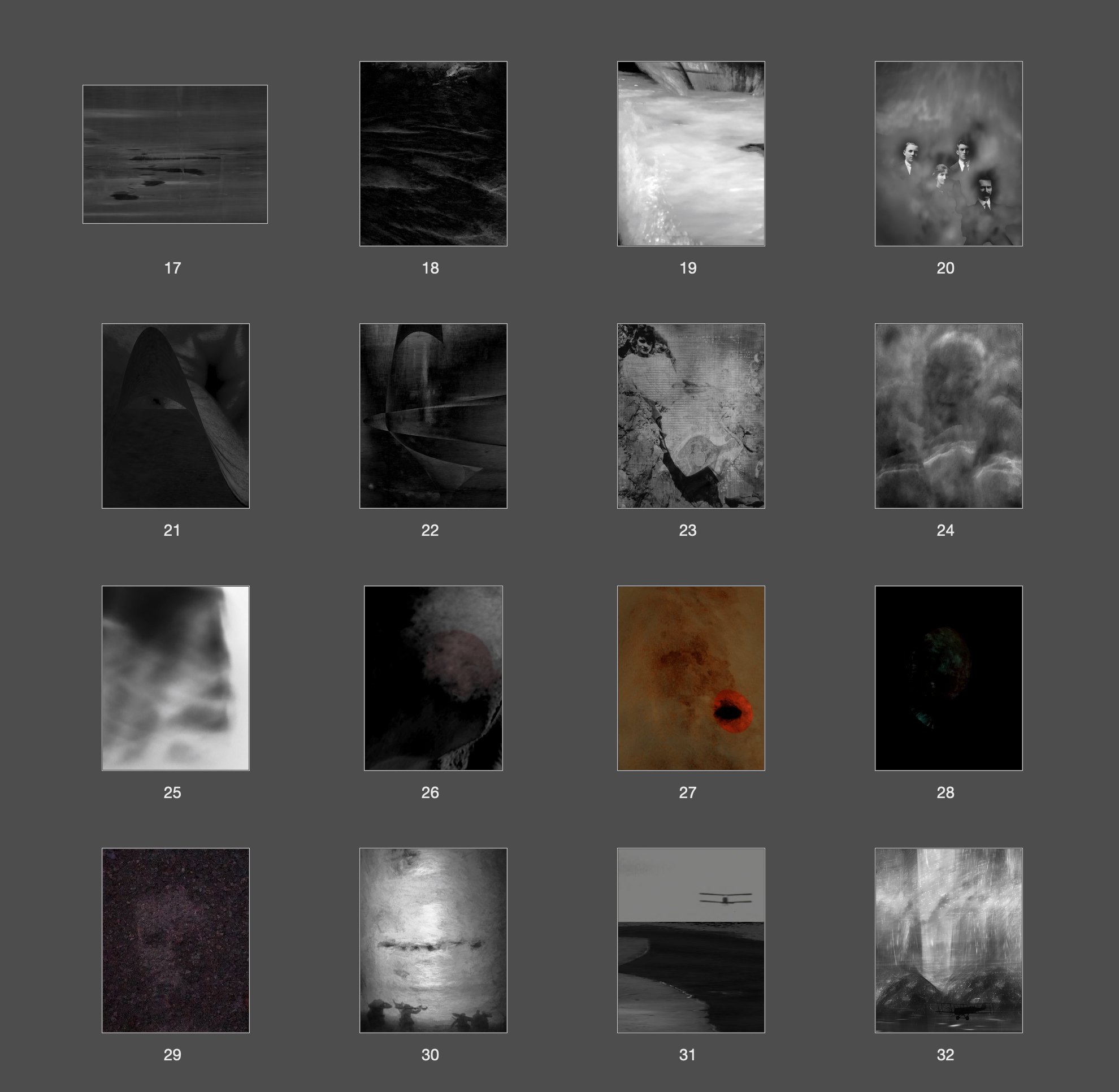
During the day in question, I discovered that taking a slow walk presented me with numerous opportunities to reflect on my framing, relook at the subject and reframe. This resulted in two images which when combined during post processing create a narrative, a story of how this was processed in the author’s mind.
I wrote some Haiku verse to accompany the unconventional composite images.
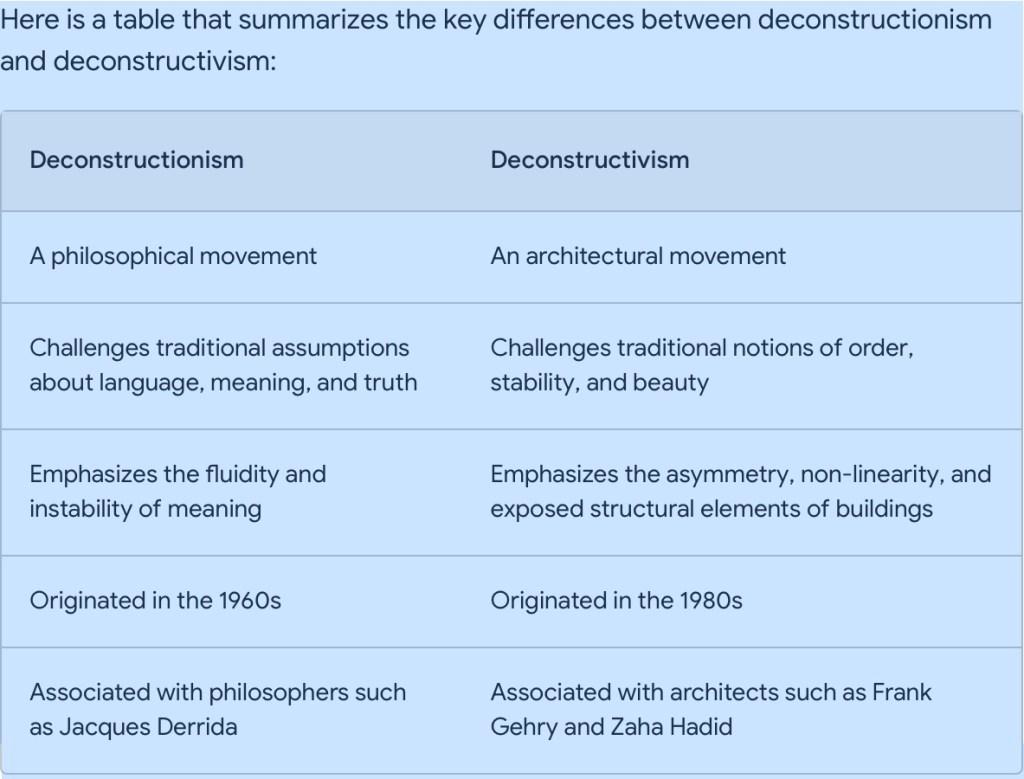
Inspiration was drawn from French post-structuralist ideas, particularly those put forward by Jacques Derrida, such as deconstruction and phantasmagoria.
I am extending my existing photographic practice strand based on deconstructionism and phantasmagoria by working in slow time and making a second exposure that opens up the subject into overlapped composites with jagged frame with an inherent narrative. This new approach allows me to explore the relationship between reality and illusion, and to create images that are both visually arresting and thought-provoking.
In my previous work, I have used deconstructionism (language, meaning and truth; fluidity and instability of meaning) and now introduce deconstructivism (impression of fragmentation, absence of obvious harmony, continuity or symmetry) to challenge the traditional notion of the photograph as a window onto the world. I have toned this down and move away from emphasis on conceptual methods with experimental post processing cropping, image stretching and collage and adapt it here to create images that are more true to representational even if fragmented and unstable. These new images call into question the idea that photographs can provide a truthful representation of reality.
My earlier work, represented surreal landscapes and branched into ghost images and phantasmagoria. Phantasmagoria is a technique that uses light and shadow to create illusions. I still use this technique here to create images that are both real and unreal, both familiar and strange. These images evoke a sense of unease and mystery, and they invite the viewer to question our perceptions of reality.
The jagged frame that I use in my new work is also significant. The jagged frame creates a sense of tension and instability, and it reinforces the idea that the images are not to be taken at face value. The jagged frame also serves as a reminder that the images are created by the photographer, and that they are not simply a reflection of reality.
I believe that my new approach to photography has the potential to create powerful and thought-provoking images. I am excited to continue exploring this new direction in my work, and I look forward to sharing my new images with the
Another Perspective on Layering
Chris Coekin and Noel Nasr conducted a funded project recreating the visual journey of Bob and Anne who visited Lebanon in 1973 taking photographs with a Viewmaster 3D camera which these photographers recreated with two identical medium format film cameras. The distance is always other as a book is limited edition supplied in a cardboard box and includes a viewer with a carousel of the original images. These photographers took two 2D photos and scanned them together as a 2D photo showing the shift.
The 3D element is deemed gimmicky. The point is about the shift.
Instagram @chris.coekin @noelnasr
Reference
Tofeili, F., Coekin, C., Nasr, N., & Abedini, R. 2018. The Distance is Always Other. Publisher Dongola Press
https://www.noelnasr.com/5428758-the-distance-is-always-other
Reference: Deconstructionism versus Deconstructivism
 Critical Research Journal